

The honest stock 2JZ power limit, what kills a healthy bottom end, and the cheapest reliable way into JZ power with the 2JZ-GE NA-T.
Every JZ owner eventually asks the same question: how far can I push the standard motor before something lets go? The internet will tell you the 2JZ is bulletproof and good for four figures on the factory internals. That reputation is built on a handful of well-sorted cars, not on the average street build, and the gap between the two is where engines die.
So here is the straight version, from people who have blown a few. The stock 2JZ power limit is real, it is not a magic number, and a tune that drifts lean will kill a "strong" motor faster than any headline figure suggests.
The honest limit on a stock 2JZ-GTE bottom end
On a healthy 2JZ-GTE with a proper tune, good fuel and cooling that can actually cope, most builders treat roughly 370 to 450kW (around 500 to 600hp) as the sensible ceiling for the factory bottom end. Plenty of cars make more on standard rods and pistons. They also fail more, and when they go the damage is usually total.
The thing to understand is that the number on the dyno sheet is not what breaks the engine. What breaks it is everything around that number:
- The tune. Detonation from a lean or aggressive map hammers the rods and ring lands. A car making 400kW on a clean, conservative tune will outlive one making 350kW on a knock-prone map every time.
- The fuel. Pump 98 has a hard limit. Run out of octane before you run out of boost and you are detonating whether the gauge looks happy or not.
- Knock control. A good ECU watching for knock and pulling timing is cheap insurance against a very expensive noise.
- Cooling. Heat soak on a long pull or a hot day raises intake temps, brings on knock, and quietly moves your safe limit down.
The 1JZ follows the same logic. It is the smaller 2.5 litre version, it revs a little higher and breathes a little differently, but the failure modes are identical and the safe window on stock internals is similar in spirit. Treat both the same way: the tune, fuel, knock control and cooling decide whether the motor survives, far more than the peak figure does.
Why "the 2JZ is indestructible" is a story, not a guarantee
The closed-deck block and the iron construction give the JZ genuine strength, and that is why the platform earned its name. But reputation is not a warranty. A factory bottom end that has done 200,000km, never had its bearings looked at, and gets fed a borderline tune is not the same engine as the one in the dyno legend. Push hard on tired internals with no margin and Uncle Rod comes to visit. If you are building past the safe window, that is the point to step up to forged internals and a proper rebuild rather than gambling on a 25 year old short block.
The cheapest reliable way in: the 2JZ-GE NA-T
Not everyone starts with a GTE. The naturally aspirated 2JZ-GE is everywhere, it is cheap, and turning one into a turbo motor (the "NA-T" path) is the most affordable honest route into real JZ power.
It works because the GE shares the same tough block and crank as the GTE. The catch is compression. The GE runs higher static compression than the factory turbo motor, so you cannot just bolt a turbo on and wind up the boost without inviting detonation. There are two sane ways to handle that:
- Run lower boost. Keep the boost modest, keep the tune conservative, watch your intake temps and knock, and a stock-compression GE will make a genuinely fun, reliable amount of power for the money.
- Lower the compression properly. For more boost, rebuild it: lower-compression pistons, fresh bearings and a head gasket sorted for the job, so the engine actually wants the boost you are feeding it.
Either way, the supporting cast is not optional. An NA-T needs a fuel system that can keep up (pump, injectors, the lot) and a standalone tune from someone who knows the platform. The NA-T's limits are roughly the same as any stock JZ bottom end, and the same rules apply: detonation and heat are what kill it, so a careful tune and real cooling matter more than chasing the last few kW.
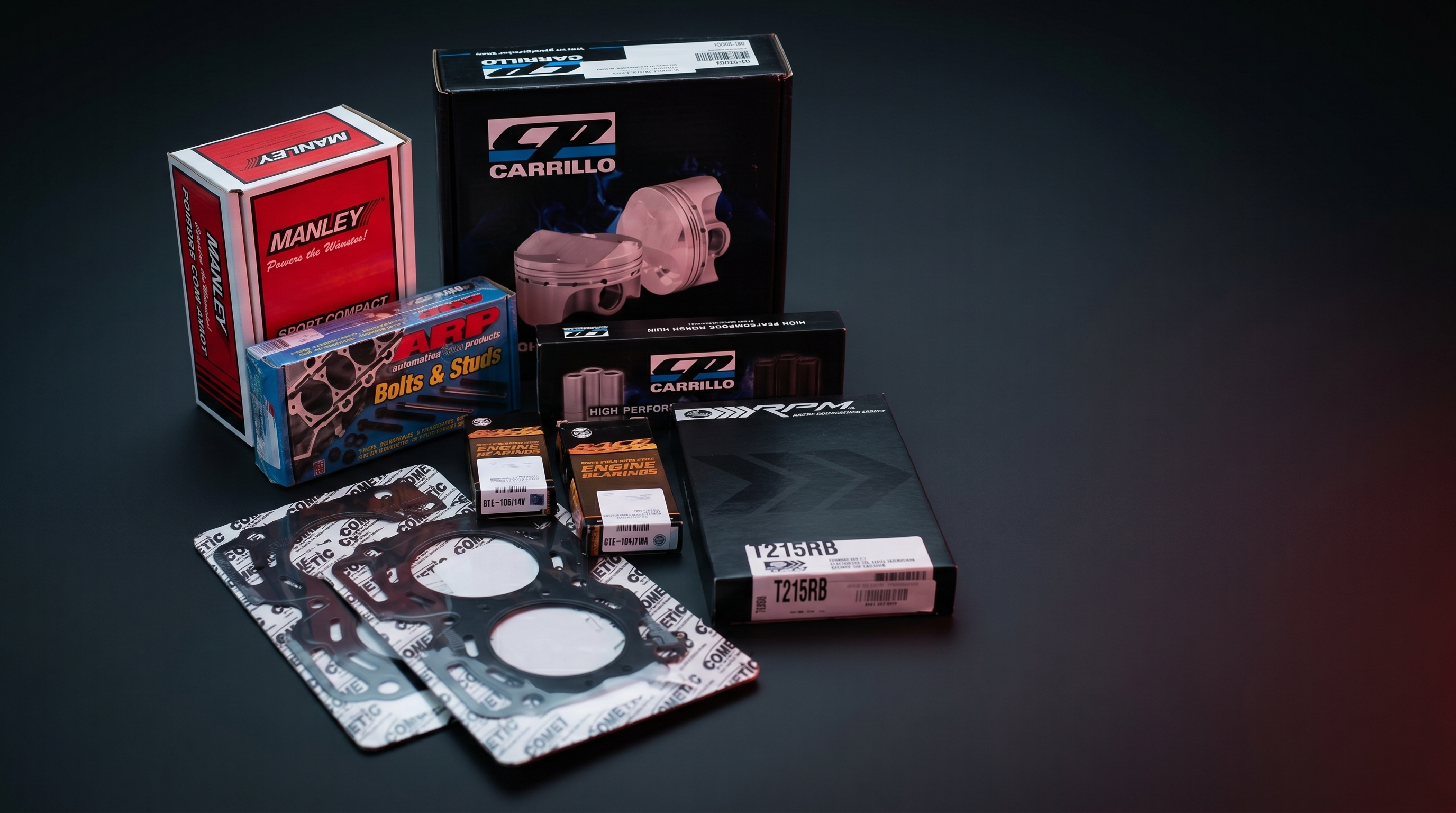
If you want the boost-it-and-forget-it version, that is what a built short block buys you. Our engine rebuild packages bundle matched forged internals so the bottom end is no longer the weak point in the conversation.
Where to draw your own line
Decide your power goal first, then be honest about whether the stock bottom end belongs in that plan. If your number sits inside the safe window and you are happy to keep the tune conservative and the cooling sorted, the factory internals will serve you well. If your number is bigger, build for it on purpose rather than finding the limit the hard way.
If you are not sure which side of the line your build sits on, give us a call on 0800 NZ PERFORMANCE (06 359 2100) and we will help you spec it properly, or have a look through the rebuild packages to see what a built JZ bottom end actually involves.
Share:
Uncle Rod: What Actually Kills JZ Bottom Ends, and How to Stop Him Visiting